
The Exit Is Part of the Work
Most entertainment careers are a series of endings. Contracts wrap, shows get canceled, and collaborations sour. The way you leave becomes part of your reputation, and it is easier to get right than you think.
Category
27 articles
Most entertainment careers are a series of endings. Contracts wrap, shows get canceled, and collaborations sour. The way you leave becomes part of your reputation, and it is easier to get right than you think.
Your rate isn't a math problem — it's the opening line of your pitch. Here's why underpricing costs more than you think, and the exact language for quoting higher without flinching.

Half the gigs in entertainment never get posted — they get texted. Here's how the informal crews running Hollywood actually operate, and what it takes to earn a seat in one.

Here's the uncomfortable truth about entertainment hiring: your polished portfolio is table stakes, not a ticket. The war stories you tell in the room — the failed pilot, the gig that imploded, the year you vanished — often matter more than the highlight reel. Here's how to turn your messiest chapters into your strongest material.

Everyone obsesses over the years of grinding it takes to land a big break. Almost nobody thinks about what happens in the ninety days after — and that window, not the hustle before it, determines whether momentum compounds or quietly evaporates.

Everyone has a short list of people they'd love to work with someday. The gap between 'someday' and 'actually' is almost never about luck — it's about strategy, patience, and knowing the difference between making yourself visible and making yourself a problem.

In entertainment, failure isn't private — it's a headline, a tweet, a canceled project announcement. But the professionals who figure out how to move through a public stumble without disappearing are quietly building one of the most valuable skills in the industry.

Nobody wants to hear that losing the gig was actually a gift. But in entertainment, the people who treat rejection as curriculum almost always outlast the ones who treat it as catastrophe. Here's what that actually looks like in practice.

Being pigeonholed early in your career feels like a trap. But some of the most respected names in entertainment used a 'wrong' first impression as a launchpad rather than a limitation. The strategy is less obvious than you'd think.

For years, taking every opportunity feels like survival instinct — and honestly, it is. But somewhere between the hustle and the breakthrough, a quieter question starts nagging at you: do I actually have to keep doing this? This piece is about recognizing the shift before you miss it.

Everyone wants to lead with their passion projects, but the work that actually lands you the job is usually the stuff you'd rather not put in your portfolio. Understanding the gap between what excites you creatively and what signals reliability to employers might be the most important career shift you make.

Entertainment professionals spend years mastering the art of impressing other people — and almost no time figuring out what they actually want. The shift from approval-seeking to intentional decision-making isn't just a mindset tweak. It's the whole game.
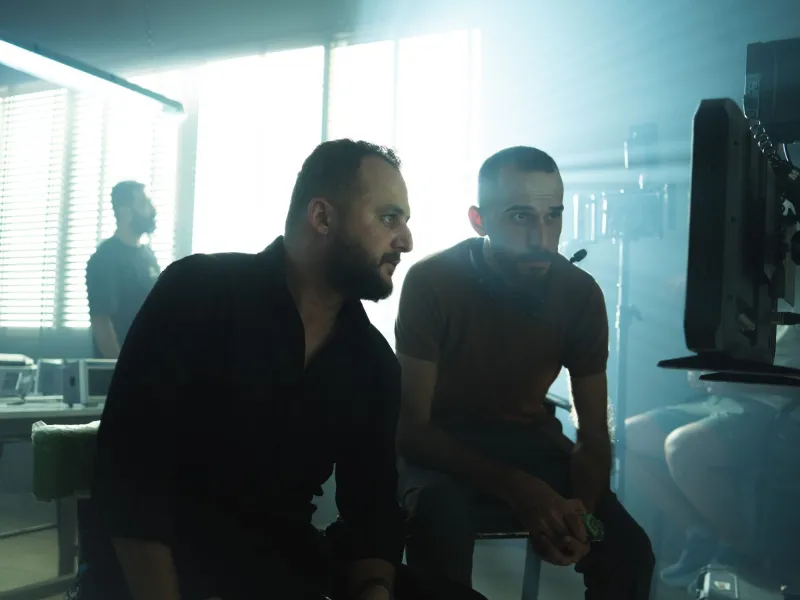
The dream of building something with your best friend sounds like the perfect origin story — until the group chat goes silent and someone's sleeping on a stranger's couch. Creative partnerships between friends fail at a staggering rate, and the entertainment industry is littered with proof. Here's what actually goes wrong, and how the rare duos who survive it manage to pull it off.

Getting passed over for the lead role, the starring slot, or the first-choice spot stings — but some of entertainment's most durable careers were built exactly from that position. Here's why being the backup is often the best training ground nobody talks about, and how to flip the script on what 'second choice' actually means for your future.

Not everyone who makes it in entertainment is the person dominating cocktail hour. For introverts, the traditional networking playbook can feel exhausting and completely fake — but there's a smarter way to build real connections and a real career without pretending to be someone you're not.

The entertainment industry loves a good 'no' story — the selective genius who turned down everything until the perfect role landed. But for every one of those, there are a dozen careers that quietly took off because someone said yes at exactly the right time. Knowing when to leap isn't reckless. It's a skill.

Every rejection letter, every bombed pitch, every project that died in development — they're not proof you failed. They're proof you showed up. In an industry that chews people up quietly, being transparent about your setbacks might be the most underrated career move you haven't tried yet.

Everyone's fighting for attention in entertainment, but the smartest players in the room are doing something counterintuitive — they're deliberately going quiet. Strategic silence isn't passive; it's one of the most calculated moves you can make for your career.

Everyone in entertainment is so busy working the room that they forget the most interesting people are often standing just outside it. The contacts who don't know your industry's rules, hierarchies, or gatekeepers might be exactly who you need. Here's why the most transformative professional relationships frequently come from the most unexpected places.

Every creator coach and branding guru tells you to 'just be yourself,' but the most successful people in entertainment know that's only half the story. There's a crucial difference between strategic transparency and the kind of oversharing that quietly closes doors. Here's what nobody tells you about building a public persona that actually works.

Landing a breakthrough moment in entertainment feels like the finish line — but for most creators, it's actually where the real work begins. The pressure to capitalize on sudden attention can quietly unravel everything that made you interesting in the first place. Here's why visibility is the easy part, and longevity is the actual art form.

The entertainment industry loves to romanticize the mentor-protégé story — the wise veteran who spots raw talent and opens every door. But a growing number of creators and producers are building serious careers without one, and they're not just surviving. They're thriving on their own terms.
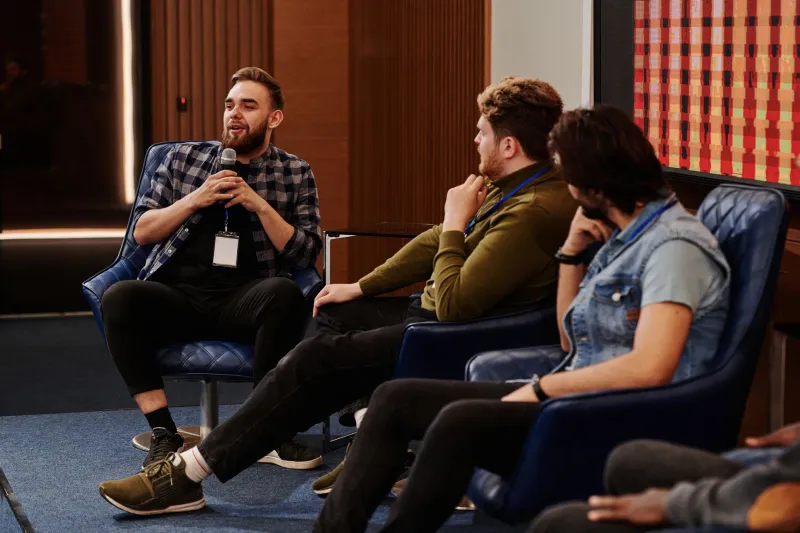
The entertainment industry loves to sell you on the idea that networking is a numbers game—collect the right people, climb the right ladder. But the connections that actually move careers forward rarely follow that script. Sometimes the most transformative professional relationship you'll ever have starts with someone who couldn't do a single thing for you at the time.

LinkedIn is great for stalking someone's job history, but it's a terrible place to actually build a relationship. The entertainment industry's most meaningful professional bonds tend to form in the most unexpected, unscripted moments — and there's a real reason for that.

The entertainment world loves to preach authenticity, but nobody tells you about the careers quietly derailed by oversharing. Turns out, 'just be yourself' is more complicated advice than it sounds — and the most successful people in the industry know exactly which version of themselves to put on display.

Social media algorithms have become the invisible directors of modern entertainment — and a lot of creators are starting to realize they're no longer calling the shots. From TikTok sound trends to YouTube thumbnail optimization, the pressure to perform for the platform is reshaping artistic identity in ways that are hard to ignore. Here's what's really happening behind the metrics.

Networking in Hollywood isn't about who you know — it's about who actually picks up when you call. Whether you're an aspiring screenwriter, a content creator grinding on YouTube, or a producer trying to break into the room, the rules of meaningful connection in this industry are wildly different from what most people think. Here's what actually works.